

Fire Safety
Fire Extinguisher Servicing in Ireland: What Businesses Need to Know
Fire safety is one of those things that can easily be pushed down the list until there is a problem. For Irish businesses, however, having
Ireland’s energy landscape is rapidly evolving, with a strong focus on renewable sources to meet the nation’s heat and power needs. Wind power stands as the cornerstone of Ireland’s renewable energy strategy, harnessing the country’s abundant coastal winds. In 2020, wind energy accounted for 36% of Ireland’s electricity generation, marking a significant milestone in the country’s journey towards sustainability. Complementing wind power, solar energy, biomass, and hydroelectric sources are gaining traction, diversifying the renewable portfolio. This shift not only reduces Ireland’s carbon footprint but also enhances energy security in a country historically dependent on imported fossil fuels.
The Irish climate plays a crucial role in shaping the nation’s energy demands, particularly in terms of heating needs. With cool, damp winters and mild summers, Ireland faces unique challenges in maintaining comfortable indoor temperatures year-round. This climatic reality has spurred innovations in energy-efficient heating solutions, including the adoption of heat pumps and improved building insulation standards. Simultaneously, industrial energy usage remains a significant factor in Ireland’s overall energy consumption. Many industries are now partnering with renewable energy providers or investing in on-site generation capabilities to reduce their environmental impact and operational costs. This symbiotic relationship between industrial needs and renewable sources is driving further investment and technological advancements in Ireland’s green energy sector.
{{locationDetails}}
Ireland’s energy landscape is rapidly evolving, with a strong focus on renewable sources to meet the nation’s heat and power needs. Wind power stands as the cornerstone of Ireland’s renewable energy strategy, harnessing the country’s abundant coastal winds. In 2020, wind energy accounted for 36% of Ireland’s electricity generation, marking a significant milestone in the country’s journey towards sustainability. Complementing wind power, solar energy, biomass, and hydroelectric sources are gaining traction, diversifying the renewable portfolio. This shift not only reduces Ireland’s carbon footprint but also enhances energy security in a country historically dependent on imported fossil fuels.
The Irish climate plays a crucial role in shaping the nation’s energy demands, particularly in terms of heating needs. With cool, damp winters and mild summers, Ireland faces unique challenges in maintaining comfortable indoor temperatures year-round. This climatic reality has spurred innovations in energy-efficient heating solutions, including the adoption of heat pumps and improved building insulation standards. Simultaneously, industrial energy usage remains a significant factor in Ireland’s overall energy consumption. Many industries are now partnering with renewable energy providers or investing in on-site generation capabilities to reduce their environmental impact and operational costs. This symbiotic relationship between industrial needs and renewable sources is driving further investment and technological advancements in Ireland’s green energy sector.
Fire safety is one of those things that can easily be pushed down the list until there is a problem. For Irish businesses, however, having
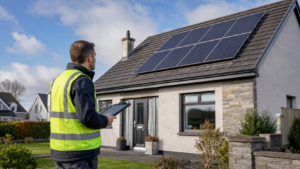
Solar panels are becoming a more common feature on homes, farms, schools, offices and commercial buildings across Ireland. With electricity costs still a concern
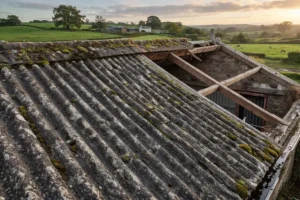
Asbestos remains a serious issue in many older buildings across Ireland. Whether you are renovating a home, upgrading commercial premises, managing an industrial site, or