
Asbestos Removal Ireland: What Homeowners and Businesses Need to Know
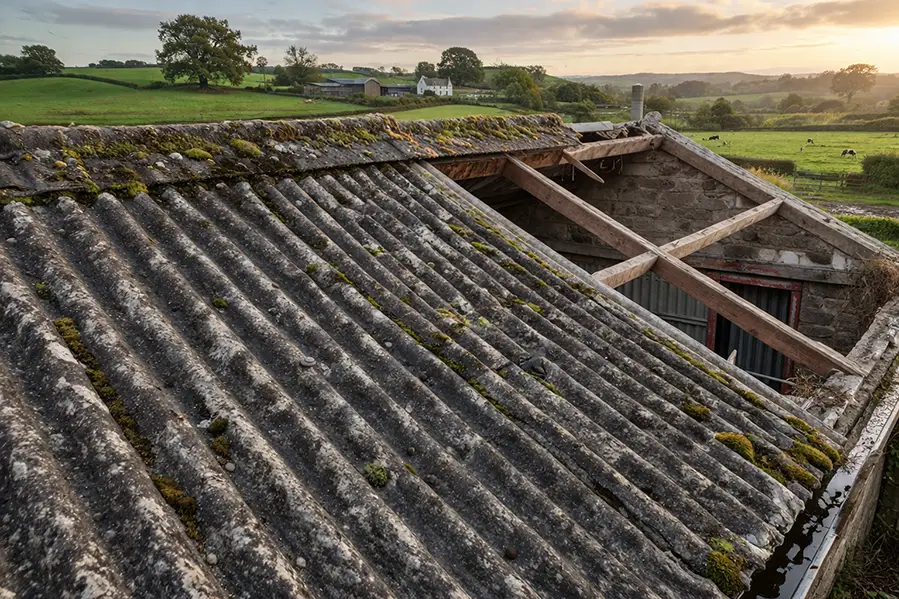
Asbestos remains a serious issue in many older buildings across Ireland. Whether you are renovating a home, upgrading commercial premises, managing an industrial site, or preparing a property for sale or redevelopment, the discovery of asbestos can quickly become a health, safety and compliance concern.
Because asbestos-containing materials were widely used in construction for decades, they can still be found in roofs, ceiling tiles, insulation, pipe lagging, wall panels, floor tiles, and other building materials. The risk is often greatest when these materials are disturbed during maintenance, demolition, refurbishment, or removal works.
For homeowners, landlords, facilities managers, developers and business owners, understanding when asbestos removal is necessary, and how to choose the right specialist, is an important first step.
What is asbestos?
Asbestos is a naturally occurring mineral fibre that was once widely used in building materials because of its strength, insulation properties, and fire resistance. Although it was heavily used in older properties, it is now recognised as a major health hazard.
When asbestos-containing materials are damaged or disturbed, tiny fibres can be released into the air. These fibres can be inhaled and may cause serious long-term health conditions. That is why suspected asbestos should never be handled casually or removed without proper assessment.
What does asbestos look like?
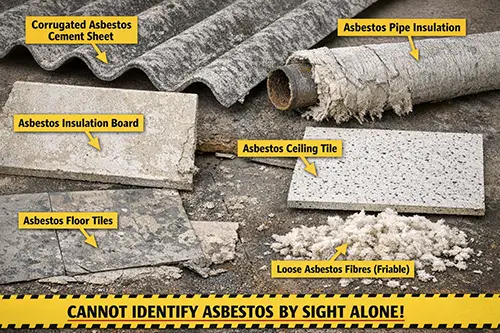
Asbestos is not usually obvious just by looking at it. It is often hidden within older building materials and can appear as a grey, white, off-white or slightly brown fibrous material, but in many cases it is mixed into cement, boards, tiles or insulation so you do not see loose fibres at all.
In older buildings, it may show up in corrugated roof sheets, flat wall panels, pipe lagging, ceiling tiles, textured coatings or insulation boards. Some asbestos materials look dense and cement-like, while others can look soft, fluffy or fibrous if damaged.
The important thing is that you cannot reliably identify asbestos by sight alone. Many non-asbestos materials look similar, so if a material is suspected, it should be left alone and checked by a qualified professional.
Where asbestos is commonly found
In older Irish buildings, asbestos may still be present in a range of materials, including:
- garage and shed roofs
- corrugated cement sheets
- insulation boards
- pipe lagging
- sprayed coatings
- ceiling and floor tiles
- textured coatings
- wall cladding
- boiler and plant room insulation
Not all asbestos-containing materials present the same level of risk. Some are more stable when left undisturbed, while others can release fibres more easily if damaged. The condition, location and type of material all matter.
When is asbestos removal needed?
Asbestos removal may be required when:
- asbestos materials are damaged or deteriorating
- refurbishment or demolition works are planned
- the material is likely to be disturbed during maintenance
- asbestos is located in a high-risk or occupied area
- a survey recommends removal for safety or compliance reasons
In some cases, asbestos does not need to be removed immediately. If it is in good condition and unlikely to be disturbed, it may be safer to manage it in place. This is why professional assessment is so important.
Why professional asbestos removal matters
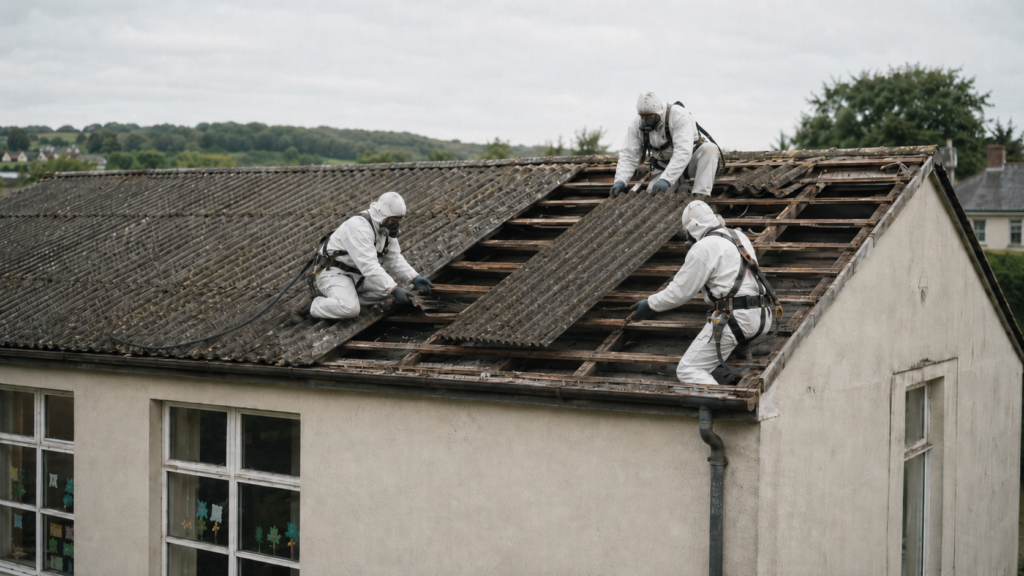
Asbestos removal is not just a waste removal job. It is a specialist environmental and safety service that requires the right procedures, training, containment methods, protective equipment, transport arrangements, and disposal routes.
A qualified asbestos removal contractor can help with:
- site assessment
- safe removal methods
- enclosure and containment
- air monitoring where required
- compliant packaging and transport
- hazardous waste disposal
- site clearance and documentation
Using a specialist contractor helps reduce risk to occupants, workers, neighbours and the wider environment.
Domestic asbestos removal Ireland
Homeowners often encounter asbestos during renovation projects, particularly in garages, outbuildings, older ceilings, wall panels and flooring. A common example is the removal of an old asbestos cement garage roof.
If you suspect asbestos in a domestic property, avoid cutting, drilling, breaking or moving the material. A professional can advise whether testing, surveying, encapsulation or removal is the right next step.
Domestic clients often look for contractors that can provide a clear quote, explain the process simply, and complete the work with minimal disruption.
Commercial asbestos removal Ireland
Commercial and industrial buildings may contain asbestos in more complex or higher-risk forms, especially in older offices, factories, warehouses, schools, healthcare buildings and plant areas.
For business owners, landlords and facilities managers, asbestos can affect:
- refurbishment timelines
- contractor access
- staff and visitor safety
- compliance responsibilities
- property management planning
This is why commercial asbestos removal is often linked to surveys, management plans, remediation works and wider environmental compliance services.
How to choose an asbestos removal company in Ireland
When comparing asbestos removal specialists, it helps to look for companies that can clearly demonstrate experience, safe working methods and a professional approach to compliance.
Things to look for include:
- experience with domestic or commercial asbestos projects
- clear service descriptions
- evidence of training and competence
- waste handling and disposal arrangements
- good communication and transparent quotations
- coverage in your county or region
- related services such as asbestos surveys, testing or air monitoring
On All-Enviro, users should be able to compare asbestos companies by location, services, and profile strength to find a suitable specialist.
Related asbestos services
Asbestos removal is often only one part of the process. Depending on the building and project, you may also need:
- asbestos surveys
- asbestos testing
- asbestos management plans
- hazardous waste disposal
- demolition support
- environmental consultancy
- air quality or clearance services
This is one reason asbestos is a useful topic area for All-Enviro. It connects naturally with several related environmental and compliance sectors.
Finding asbestos removal companies in Ireland
If you are searching for asbestos removal in Ireland, it is worth choosing a contractor with the right experience for your type of property and project. Some companies focus on domestic work such as garages and roofing sheets, while others specialise in commercial, industrial or large-scale remediation.
All-Enviro helps users find and compare asbestos removal companies across Ireland, along with related services such as asbestos surveying, hazardous waste handling and environmental compliance support.
Conclusion
Asbestos should always be approached with caution. Whether you are a homeowner planning renovations or a business managing an older building, the safest route is to get professional advice before disturbing any suspect material.
Asbestos removal is a specialist job, and choosing the right contractor can make a major difference to safety, compliance and peace of mind. By understanding the risks and the process, property owners can make better-informed decisions and move forward more safely.